In the quest for effective weight loss solutions, peptides have gained significant attention. But do they really work? How long does it take to see results? Are they safe? Let’s dive deep into peptides, their role in weight loss, and what you need to know before considering them as a treatment option.
What are Peptides?
Peptides are small chains of amino acids that act as messengers in the body, influencing various biological processes. Some peptides occur naturally, like insulin, ghrelin, leptin, and glucagon-like pep2tide-1 (GLP-1), which regulate appetite, blood sugar levels, and energy expenditure.
Synthetic peptides, developed in laboratories, mimic these natural functions to aid in weight loss. Among them, GLP-1 receptor agonists have gained popularity for their appetite-suppressing and metabolism-boosting effects.
Best Peptides for Weight Loss
Several GLP-1 agonists have been approved by the U.S. Food and Drug Administration (FDA) for weight management. Here’s a breakdown of the most common ones:
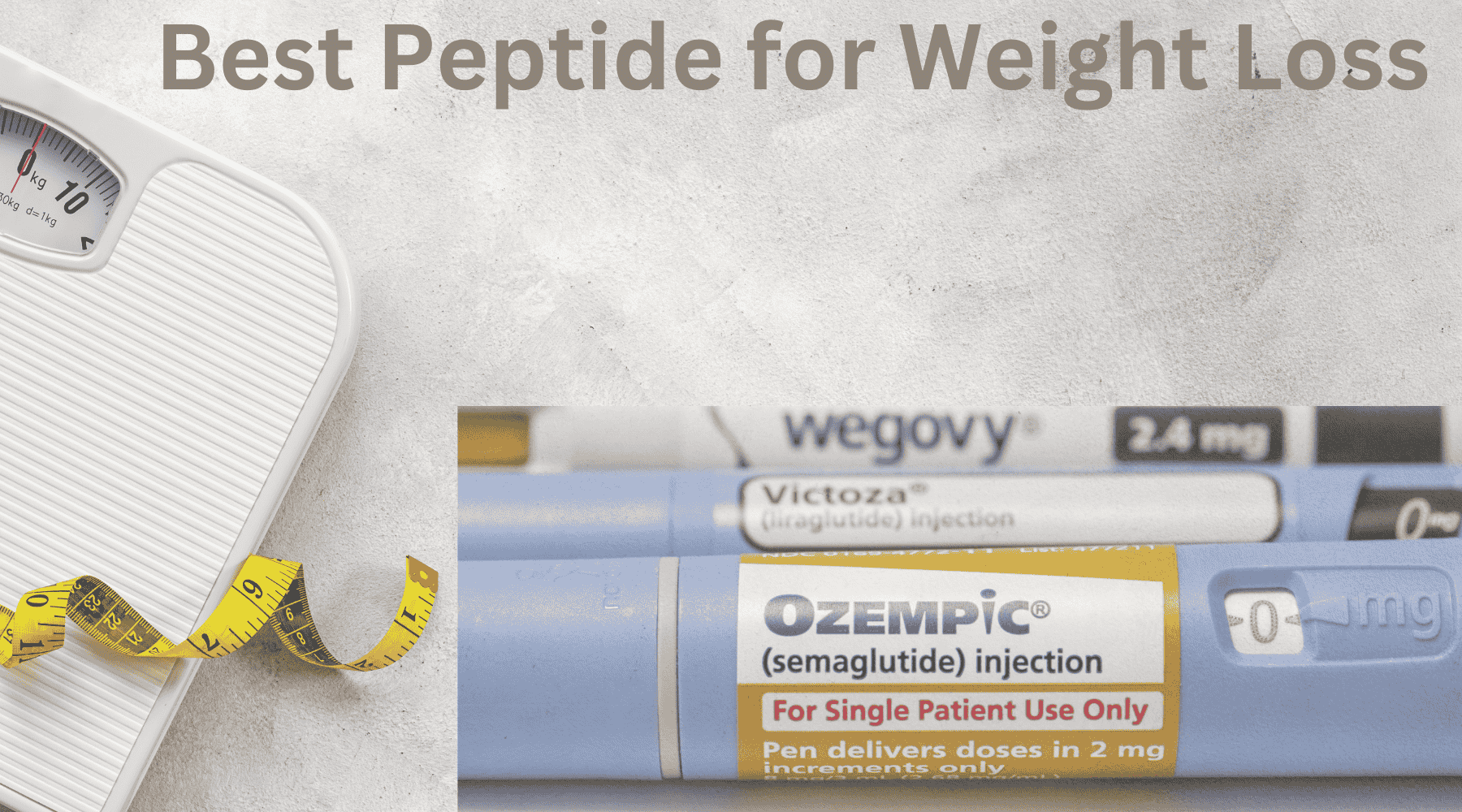
1. Ozempic & Wegovy (Semaglutide)
- Ozempic: Originally developed for type 2 diabetes, it is sometimes used off-label for weight loss.
- Wegovy: FDA-approved specifically for weight loss and long-term weight management.
- How it works: Reduces appetite and increases the feeling of fullness.
- Dosage: Weekly injection, regardless of food intake.
- Results: Clinical studies show that weight loss may slow or plateau after 68 weeks.
2. Victoza & Saxenda (Liraglutide)
- Victoza: FDA-approved for type 2 diabetes, sometimes used off-label for weight loss.
- Saxenda: FDA-approved for weight loss.
- How it works: Helps regulate blood sugar and appetite.
- Dosage: Daily injection, taken any time of day.
- Results: If no significant weight loss occurs after 16 weeks, an alternative medication may be necessary.
3. Mounjaro & Zepbound (Tirzepatide)
- Mounjaro: Approved for type 2 diabetes but used off-label for weight loss.
- Zepbound: FDA-approved for obesity.
- How it works: Affects GLP-1 and glucose-dependent insulinotropic polypeptide (GIP) receptors.
- Dosage: Weekly injection, with or without food.
- Results: Weight loss continues for 50 weeks or more.
Do Peptides Work for Weight Loss?
The effectiveness of peptides varies based on factors like diabetes status, lifestyle choices, and the specific medication used. Clinical studies suggest:
- People with diabetes using GLP-1 peptides with diet and exercise can lose 4-6% of body weight.
- People without diabetes using peptides with lifestyle changes can lose between 6-17% of their body weight.
- Long-acting injections tend to be more effective than daily injections.
How Long Does It Take to See Results?
Weight loss with peptides isn’t instant. Most people begin noticing results within a few weeks, but significant weight reduction usually takes several months. Clinical data suggests:
- Weight loss continues for about 68 weeks with Wegovy.
- With Zepbound, weight loss can continue for over 50 weeks.
- The most substantial weight loss occurs when peptides are combined with diet and exercise.
Do You Need to Take Peptides Forever?
For many individuals, weight loss achieved through peptides is not permanent unless the treatment is continued. Studies show that stopping peptide use often leads to weight regain. For example, people who stopped taking Wegovy regained two-thirds of their lost weight within one year.
Are Peptides Safe?
While peptides can be effective, they are not without risks. Common side effects include:
- Gastrointestinal issues: Nausea, vomiting, diarrhea, constipation
- Stomach issues: Delayed emptying, bloating
- Low blood sugar: Hypoglycemia (especially in diabetics)
- Serious risks: Pancreatitis, gallbladder disorders, and potential cancer risks
- Psychological effects: Some users report anxiety, eating disorders, and sleep disturbances
Who Should Consider Peptides?
Peptides are ideal for individuals who:
- Have a BMI over 30 (or over 27 with conditions like diabetes or hypertension)
- Can commit to lifestyle changes (diet and exercise)
- Are seeking long-term weight management
However, peptides are not suitable for:
- Pregnant individuals
- Those with a history of thyroid cancer
- Individuals with multiple endocrine neoplasia syndrome
Pendulum Akkermansia – The Ultimate Probiotic for Gut & Metabolic Health
Pendulum Akkermansia is a powerful probiotic supplement featuring Akkermansia muciniphila, a key gut bacteria linked to metabolism, weight management, and blood sugar regulation. Studies show that low levels of this probiotic are associated with obesity and metabolic disorders. By restoring gut balance, it helps strengthen the intestinal lining, improve digestion, and support overall health.
Each capsule contains a clinically studied dose of Akkermansia muciniphila combined with chicory inulin, a prebiotic fiber that fuels beneficial bacteria. Ideal for those looking to optimize gut health, regulate glucose levels, and enhance metabolic function naturally.
Key Benefits:
✔ Supports gut health & digestion
✔ Aids in blood sugar control
✔ Enhances metabolism & weight management
✔ Clinically studied & backed by science
Take one capsule daily with food for best results. Get your gut health back on track with Pendulum Akkermansia!
Do You Need a Prescription?
Yes, all FDA-approved weight-loss peptides require a prescription from a healthcare provider. You should always consult with a doctor before starting any peptide treatment to ensure it is safe and suitable for your health condition.
Final Thoughts
Peptides offer a promising solution for weight loss, particularly when combined with a healthy diet and regular exercise. While they can help curb appetite and promote fat loss, they are not a magic bullet and require long-term commitment for sustained results.
If you’re considering peptides for weight loss, consult with your healthcare provider to determine if they’re the right choice for you. Keep in mind that while peptides can be highly effective, they come with potential risks and side effects that should not be overlooked.