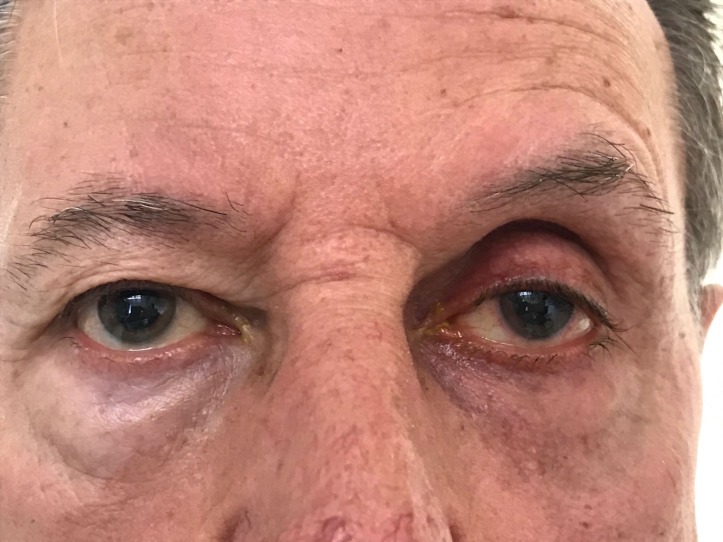
The eyes are often referred to as the “windows to the soul,” but they can also reveal signs of aging, fatigue, or health issues. One common concern that many people face is orbital fat loss, a condition that can lead to a hollowed or sunken appearance around the eyes. In this blog, we’ll explore what orbital fat loss is, its causes, and the available treatments to restore a youthful and vibrant look.
What is Orbital Fat Loss?
Orbital fat refers to the fatty tissue that surrounds the eye socket (orbit). This fat provides cushioning and support to the eyes, contributing to a smooth and youthful appearance. However, as we age or due to other factors, this fat can diminish, leading to a sunken or hollowed look around the eyes. This condition is often referred to as orbital fat loss or eye hollowing.
What Causes Orbital Fat Loss?
Several factors can contribute to the loss of orbital fat, including:
- Aging:
As we age, our skin loses collagen and elasticity, and fat pads in the face, including the orbital area, begin to shrink. This natural process can lead to a hollowed appearance. - Genetics:
Some people are genetically predisposed to having thinner fat pads around the eyes, making them more prone to orbital fat loss. - Weight Loss:
Significant weight loss can reduce fat deposits throughout the body, including the orbital area, leading to a sunken eye appearance. - Lifestyle Factors:
Poor sleep, dehydration, smoking, and excessive alcohol consumption can accelerate the loss of fat and collagen around the eyes. - Medical Conditions:
Certain health issues, such as thyroid disorders, autoimmune diseases, or chronic illnesses, can contribute to orbital fat loss.
How Does Orbital Fat Loss Affect Appearance?
Orbital fat loss can create a tired, aged, or even unhealthy appearance. Common signs include:
- Hollows or shadows under the eyes
- Dark circles
- A more prominent bony structure around the eyes
- A sunken or “skeletal” look
These changes can affect self-esteem and make individuals appear older than they are.
Treatments for Orbital Fat Loss
Fortunately, there are several treatments available to address orbital fat loss, ranging from non-invasive options to surgical procedures. Here are some of the most popular options:
- Dermal Fillers:
Hyaluronic acid-based fillers, such as Restylane or Juvederm, can be injected into the under-eye area to restore volume and smooth out hollows. This is a minimally invasive option with immediate results, though the effects are temporary and may last 6–12 months. - Fat Transfer (Fat Grafting):
In this procedure, fat is harvested from another part of the body (e.g., the abdomen or thighs) and injected into the orbital area. This provides a more permanent solution, though it requires a longer recovery time. - Lower Eyelid Surgery (Blepharoplasty):
For more severe cases, surgical blepharoplasty can reposition or add fat to the under-eye area. This is a more invasive option but offers long-lasting results. - Laser Treatments:
Non-ablative laser treatments can stimulate collagen production and improve skin texture, reducing the appearance of hollows. - Topical Treatments:
While not a direct solution for fat loss, retinoids and peptides in skincare products can improve skin elasticity and thickness, reducing the appearance of hollows over time.
Preventing Orbital Fat Loss
While some causes of orbital fat loss, like aging and genetics, are unavoidable, there are steps you can take to minimize its impact:
- Stay Hydrated: Proper hydration keeps the skin plump and healthy.
- Maintain a Balanced Diet: A diet rich in antioxidants, healthy fats, and vitamins can support skin health.
- Protect Your Skin: Use sunscreen and wear sunglasses to protect the delicate skin around your eyes from UV damage.
- Avoid Smoking and Excessive Alcohol: These habits can accelerate collagen breakdown and fat loss.
- Get Enough Sleep: Aim for 7–9 hours of quality sleep per night to reduce puffiness and dark circles.
When to See a Professional
If you’re concerned about orbital fat loss or its impact on your appearance, it’s best to consult a dermatologist or plastic surgeon. They can assess your condition and recommend the most appropriate treatment based on your needs and goals.
Final Thoughts
Orbital fat loss is a common concern that can affect anyone, but it doesn’t have to be permanent. With advancements in cosmetic treatments and a proactive approach to skincare, it’s possible to restore volume and achieve a more youthful, refreshed look. Whether you opt for fillers, surgery, or lifestyle changes, the key is to address the issue early and consult with a qualified professional.